$0.00


You know that printing is a sustainable industry. But you've probably heard from naysayers who think printing is bad for the environment. So why is printing green?
Contrary to popular belief, the printing industry is in fact one of the most environmentally friendly, and here's why.
Paper is a durable material
Paper, by far the most popular printing medium, can easily be recycled. According to a study by Two Sides, paper is the most recycled product in North America. Paper also decomposes naturally, unlike many digital devices that many consumers see as an alternative to printing.
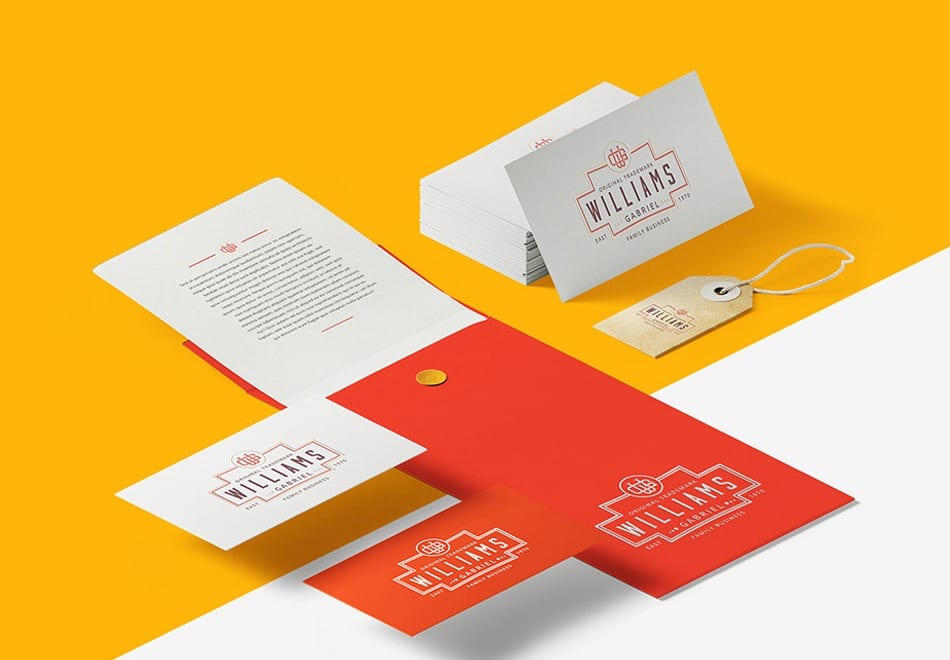
Many printers offer products printed on recycled paper. Impression cartes d'affaires (Texprim), for example, offers business cards and other printing products on Kraft paperboard, such as business cardsand postcards made entirely from recycled fibers.
What's more, trees are a renewable resource that sustainable forest management continually replenishes. Research conducted by Two Sides reveals that in the USA and Canada, far more wood is grown than harvested, resulting in an increase in net forest area.
Printing has a smaller carbon footprint
Some industries generate large quantities of greenhouse gases. The total amount of these emissions produced by human activities is called the carbon footprint.
Two Sides reports on the basis of national and international data that the paper and printed products sector produces a much smaller percentage of the human carbon footprint (just 1%) than sectors such as transport (15%), land use change (15%) and energy supply (13%).
Furthermore, Printing Industries of America points out that "in terms of carbon expenditure, print is the only communications medium with a single carbon footprint; all other media require energy every time they are viewed. So it's important to remember that choosing digital media over print isn't necessarily better for the environment.
Printing technology goes green
Finally, printing technology is constantly improving to become even more sustainable. This means not only reducing environmental impact, but also cutting production costs. Printers know that waste is expensive, and they prefer to make every penny count, so printing technology that uses fewer resources will continue to be in high demand.
There is a wide range of examples. Many new types of press have significantly improved energy efficiency. Automated software helps printers produce the same color quality with less ink. And some inks now use more environmentally-friendly substances such as soy. Recycling is increasingly advanced, so that other types of printed products (such as textiles and certain plastics) can also be recycled.
ISO certifications have also contributed to the growth of eco-innovation in the printing industry, notably the ISO 14000 family, which provides standards for an environmental management system.
Environmentally-friendly printing
Printing professionals contribute to a future where forests are valued and technology constantly evolves to reduce waste. You're part of an innovative industry that keeps its carbon footprint low and strives to provide the best printing products and services without sacrificing our beautiful planet.
Why not share this article to help bust some myths about printing and the environment? Click on the social media icons to share.