$0.00


There are a number of criteria involved in creating and writing an invitation card. The format of the invitation is of decisive importance. Several formats are available. The most popular are 4x6", 5x7" and 5.5×8.5". Each has its own particular message and reading comfort. Some are also easier to transport than others. Today, you can create your invitation card online. There are a number of criteria to fill in for a completely personalized result.
For customers, experiencing something via a real, physical medium such as print can be more captivating and enjoyable than simply reading about a service/product online. Using print as a marketing tactic encourages customers to physically connect with the brand rather than simply reading about it online. In fact, research has shown that haptics (tactile memory) resonate in our minds, leaving a more lasting impression of the brand. Often, tactile supports generate more interest than relying on visuals alone, as interactivity is an important factor in a customer's experience.
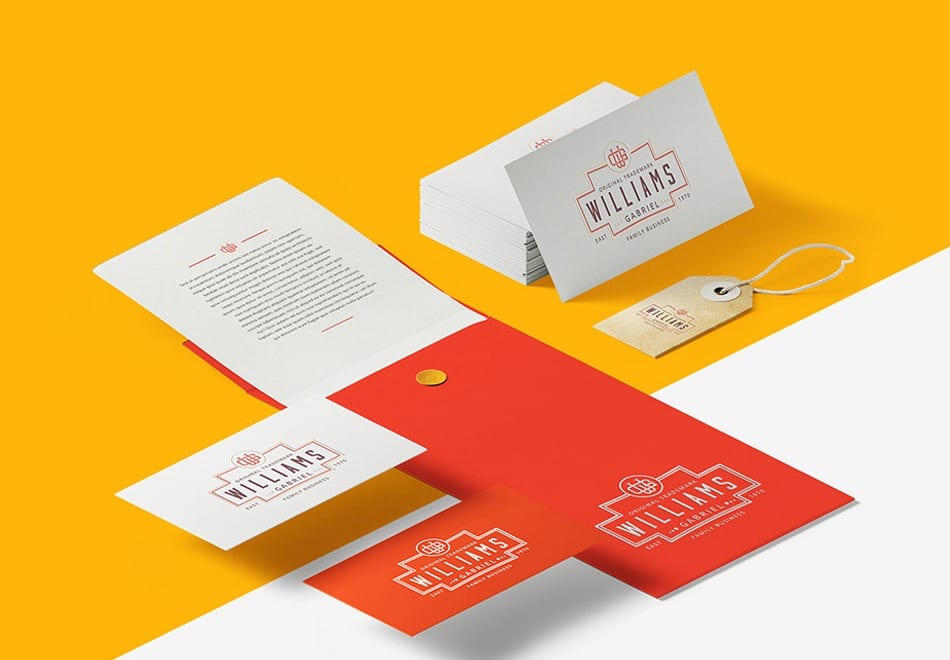
There are many print products that small businesses could use to strengthen the company's presence in their market by showcasing their brand. Here are just a few examples:
- The nature of the event (wedding, company party, reception, etc...)
- The identity of the person inviting (an individual, a company, an association, etc...)
- The date and time
- The precise address
- The dress code, if applicable
- The response time
- Your contact details in case of questions or for answers
- The color code and visual elements of your event (Logo of your company or partners)
Depending on the nature of the event, certain elements are likely to change, especially at the level of the graphic charter. For example, for an anniversary-type event, the invitation card will be more colorful, livelier and more festive.
1. How to write an invitation card
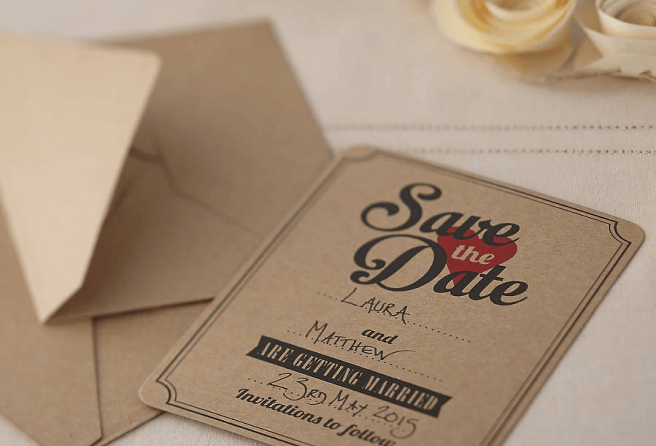
Writing an invitation card and choosing the right visuals and materials is essential, as it's the first element of contact between guests and the event. The invitation card will give an initial idea of the type and tone of the event. The aim is to provide as much information as possible, while retaining a certain element of mystery. Here are the essential elements:
-
2. Which material for my invitation card
The choice of material also plays an important role in the design of your invitation card. Let's take a look at the different possible media:
- Kraft card: for a more ecological and natural choice
- Linen card: for more chic, luxurious and distinguished events
- Recycled card: for an ecological choice, as the cardboard is made from recycled cardboard
- Cardboard with writable surfaceIf you'd like to make an invitation card that includes the option of replying to the invitation on the reverse.
- Standard cardboardmatte, gloss or semi-gloss finish.
3. Printing your card
As you can see, creating and writing an invitation card requires you to think about the message you want to communicate. You've decided on the information and the type of paper for your invitation, now you're ready toprint your cards!
If you have any questions about choosing the right products and materials, or about printing your invitation cards in Montreal, Laval or anywhere else in the province of Quebec? Write to us at info@texprim.ca and we'll be happy to help you print your marketing tools.